A Comprehensive Guide to the American Signature Font
Understanding the Aesthetic of American Signature
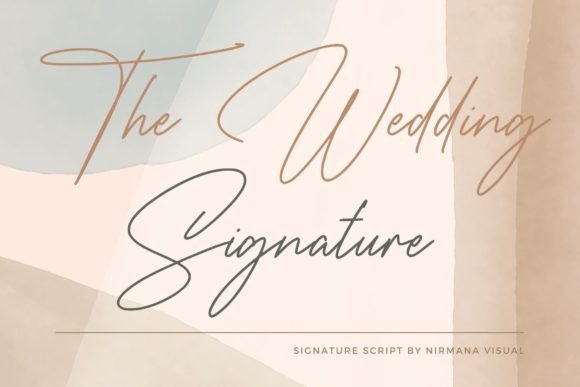
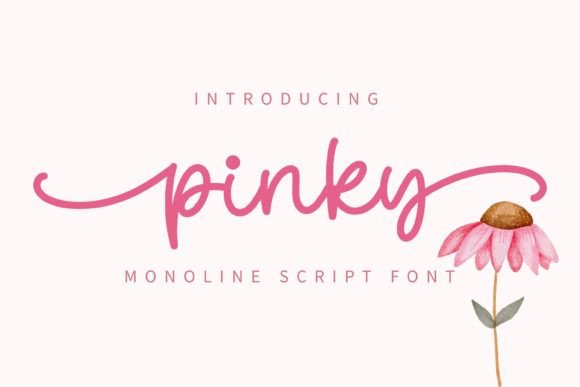
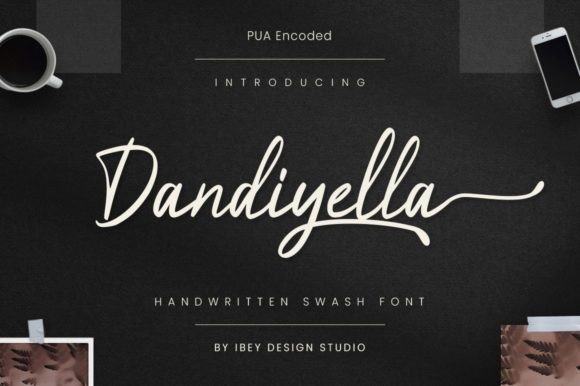
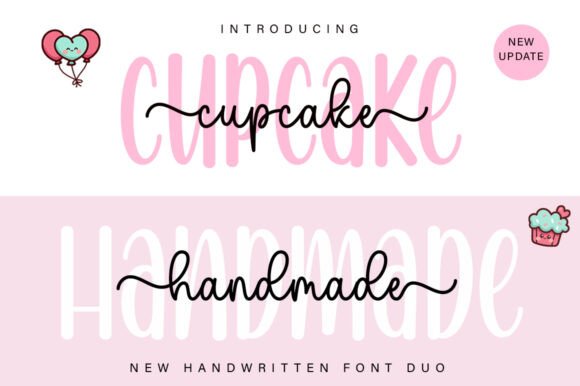
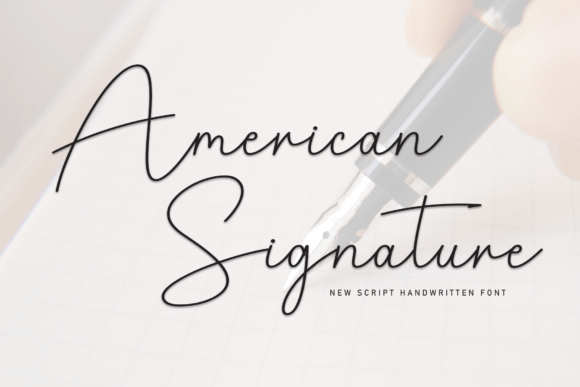
In the realm of typography, few styles evoke the same sense of intimacy and sophistication as the handwritten script. American Signature is a digital typeface that falls squarely into this category, designed to mimic the fluidity and grace of elegant cursive writing. Unlike standard block fonts or rigid serifs, this typeface features smooth, connected strokes and stylish letterforms that suggest a human touch. It is not merely a collection of letters; it is an attempt to replicate the nuance of a pen held by a skilled hand. For designers and individuals seeking to inject personality into their digital or print media, understanding the specific characteristics of American Signature is the first step in determining its utility.
The font is characterized by its flowing baseline and organic curves. It avoids the jagged edges found in rougher "grunge" fonts, opting instead for a polished finish. This makes it highly legible at medium to large sizes while retaining a distinct decorative flair. When evaluating typography, the distinction between a casual scrawl and a formal script is vital. American Signature sits comfortably in the latter category, offering a look that implies luxury and care without becoming illegible.
Strategic Applications: Where to Use American Signature
Choosing a font is rarely just about visual appeal; it is about communication. The primary reason someone might be interested in American Signature is the need to convey a specific tone—namely, one of elegance, personalization, and exclusivity. This font excels in environments where the message needs to feel bespoke rather than mass-produced.
Consider the following practical applications where this typeface serves as a strong fit:
- Wedding and Event Stationery: The smooth cursive style is ideal for wedding invitations, save-the-dates, and place cards. It mimics the look of professional calligraphy without the high cost of hiring a hand-letterer.
- Branding and Logos: For businesses in the beauty, fashion, or luxury goods sectors, a font like American Signature can create a sophisticated wordmark. It suggests that the brand values quality and attention to detail.
- Greeting Cards and Quotes: When designing digital content for social media or printable greeting cards, this font adds a warm, personal touch that standard sans-serif fonts cannot achieve.
- Headers and Titles: In editorial design, using American Signature for headlines can draw the reader in, creating a contrast between a decorative header and a clean body text.
Evaluating the Benefits and Tradeoffs
While the aesthetic appeal of American Signature is high, a balanced evaluation requires looking at the tradeoffs involved in using script fonts. The primary benefit is visual impact. A document or design using this font immediately stands out from the sea of Arial, Times New Roman, and Helvetica. It offers a distinct personality that can make a brand or event feel more memorable.
However, there are significant considerations regarding readability and versatility. Cursive fonts, by nature, are more difficult to read in long blocks of text. Therefore, using American Signature for body copy or lengthy paragraphs is generally discouraged, as it can strain the reader's eyes and reduce comprehension. It is best reserved for short bursts of text where impact is more important than rapid scanning.
Another consideration is the "formality ceiling." While elegant, script fonts can sometimes appear overly casual or difficult to read on low-resolution screens. If the primary medium is mobile web browsing, designers must ensure the font size is large enough to render the connecting strokes clearly. When selecting American Signature, you are trading universal neutrality for specific stylistic flair.
Decision-Making Insights for Designers
To determine if American Signature aligns with your goals, you must analyze the context of your project. The decision process should revolve around the "hierarchy of information." Where does this font sit in your layout? If it is the primary vehicle for critical information (like a time, date, or price), the stylish nature of the font might actually hinder the user experience. However, if it serves as an accent—such as a logo, a header, or a signature line—it enhances the design without causing confusion.
Consider the pairing strategy. American Signature rarely works well in isolation. It requires a complementary font to handle the heavy lifting of information delivery. A clean, geometric sans-serif or a simple serif font usually pairs best, providing a neutral background that allows the cursive script to shine. If your project requires a cohesive, all-purpose font family, American Signature is likely not the solution. It is a specialist tool for specific design moments.
When to Consider Alternatives
While American Signature is a strong contender for elegant designs, there are situations where alternatives may be worth exploring. If your project requires a more modern, edgy, or minimalist aesthetic, the traditional cursive flow of this font may feel out of place. In those cases, a clean sans-serif or a geometric display font would better represent the brand identity.
Furthermore, if the project demands high accessibility standards, such as government documents or medical forms, a script font is rarely appropriate. In these contexts, clarity and legibility take precedence over stylistic flair. Alternatives that focus on high x-heights and distinct letterforms are necessary to ensure all readers can access the information easily.
Ultimately, American Signature is a powerful asset for adding a touch of class and humanity to a design. By evaluating your specific needs for readability, tone, and medium, you can make an informed decision on whether this elegant typeface is the right choice for your next creative endeavor.