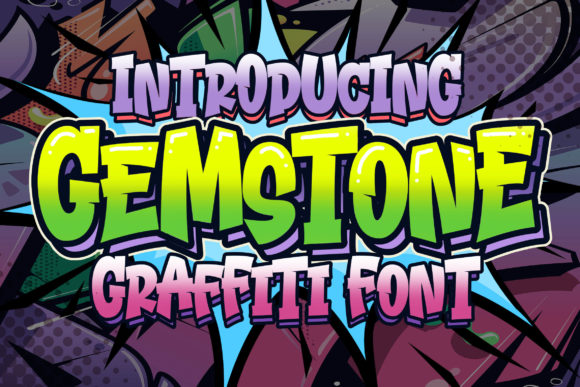
Evaluating Gemstone: Is This Outlined Display Font Right for Your Design Projects?
In the diverse world of typography, selecting the right font is a critical decision that significantly influences the tone and effectiveness of a design. For projects requiring a modern, edgy, or street-inspired aesthetic, designers often look beyond traditional serif and sans-serif options. Gemstone is a typeface that enters this space as a cool, urban-styled outlined display font. This article provides an objective evaluation of Gemstone, exploring its characteristics, ideal applications, and potential limitations to help you determine if it aligns with your creative goals.
Understanding Gemstone's Core Characteristics
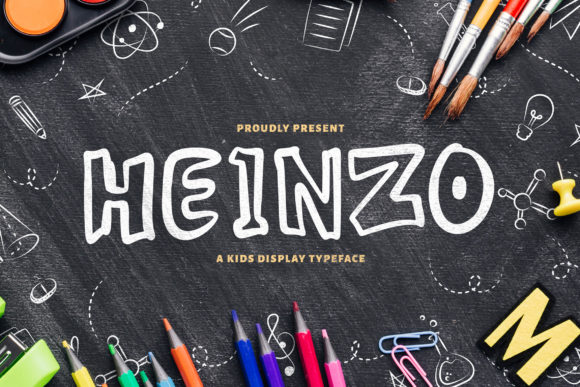
Gemstone is fundamentally a display typeface, meaning it is designed for use at larger sizes, such as in headlines, logos, and posters, rather than for body text. Its defining feature is its outlined style, where the letterforms are defined by a stroke rather than being filled with a solid color. This creates a lightweight, open, and airy appearance that can add a layer of visual interest without the visual weight of a solid font.
The design of Gemstone embraces an urban and casual sensibility. Its letterforms often incorporate subtle stylistic touches—perhaps slightly irregular curves, a graffiti-inspired flow, or a geometric simplicity—that evoke a sense of contemporary street culture, music scenes, or youth-oriented branding. The "cool" factor is subjective, but it generally stems from this combination of the outlined structure and the stylistic nuances that give it personality without being overly ornate.
Evaluating the Benefits: Why Consider Gemstone?
When evaluating Gemstone for a project, several potential benefits come to the forefront. Its primary advantage is its ability to inject a specific mood and energy into a design. For projects targeting a younger demographic, promoting music events, streetwear brands, or urban lifestyle content, Gemstone can communicate the right tone immediately and effectively.
The outlined nature of the font offers practical design advantages. It can be layered over images or complex backgrounds with less risk of obscuring the underlying visual, as the text allows the background to show through. It also pairs well with solid colors and bold graphics, creating a dynamic contrast. Furthermore, its lightweight appearance can contribute to a modern, minimalist, or tech-forward aesthetic when used thoughtfully.
From a workflow perspective, adding a font like Gemstone to your toolkit can expand your stylistic range. For designers frequently working on casual, entertainment, or social media projects, having a go-to urban display font can streamline the creative process and ensure consistency in branding across related materials.
Considering the Tradeoffs and Limitations
No typeface is universally perfect, and Gemstone has inherent limitations that must be considered. Its most significant tradeoff is readability. As a display font with an outlined style, Gemstone is not suited for long-form text, small sizes, or situations where clarity is paramount. Its unique letterforms can become difficult to decipher when scaled down or used in dense paragraphs, potentially harming user experience.
The strong stylistic identity of Gemstone is a double-edged sword. While it excels at conveying a specific urban vibe, it can feel out of place in designs that require neutrality, professionalism, or classic elegance. Using it for a corporate report, a formal invitation, or a traditional luxury brand would likely create a mismatch in tone. The font's personality is so pronounced that it can dominate a design, limiting flexibility.
Additionally, the outlined style may present challenges in certain digital or print applications. At very small sizes, the stroke may not render clearly on all screens. In print, the effectiveness can depend on the paper quality and printing method, as thin lines can sometimes be affected by ink spread or low resolution.
Practical Decision-Making: When is Gemstone a Strong Fit?
Determining whether Gemstone is the right choice involves aligning its strengths with your project's specific requirements. It is likely a strong fit in the following scenarios:
- Brand Identity for Urban Products: For logos, packaging, or brand guidelines for streetwear, sneaker brands, skate shops, or urban music labels.
- Event Promotion: Creating posters, social media graphics, or digital ads for concerts, festivals, or nightlife events where a modern, energetic feel is desired.
- Editorial and Digital Headlines: Crafting attention-grabbing headlines for blogs, magazines, or websites focused on youth culture, street art, or contemporary trends.
- Social Media Content: Designing Instagram stories, YouTube thumbnails, or TikTok graphics that need to stand out with a cool, casual aesthetic.
- Apparel and Merchandise: Adding typographic elements to t-shirt designs, hats, or other merchandise where the font itself becomes part of the graphic statement.
Exploring Alternatives: When to Look Elsewhere
Conversely, there are clear situations where alternative typefaces would be more appropriate. If your project demands high readability at small sizes, such as for website body text, mobile app interfaces, or detailed instructions, a clean sans-serif or serif font is essential. For formal, professional, or corporate communications—business reports, academic papers, legal documents—Gemstone's casual style would undermine the required tone of seriousness and authority.
Projects requiring versatility and neutrality are also poor candidates. If a single font family needs to serve multiple purposes across a brand system, a robust sans-serif with multiple weights (like Open Sans, Roboto, or Montserrat) will offer far more flexibility. Finally, for designs rooted in traditional, vintage, or classic aesthetics, Gemstone's contemporary urban style would clash. In these cases, exploring serif fonts, classic grotesques, or period-appropriate typefaces is advisable.
Making Your Final Evaluation
Choosing Gemstone is less about the font being objectively "good" or "bad" and more about contextual suitability. To make your decision, start by clearly defining your project's goals, audience, and desired emotional impact. Ask yourself: Does the core concept of an "urban-styled outlined display font" align with the message I need to convey?
If possible, test Gemstone within your actual design layout. Observe how it interacts with your color palette, imagery, and other design elements. Check its legibility at the intended sizes and across different devices or print mockups. Consider how it pairs with your chosen body text font—the contrast should be harmonious, not jarring.
Ultimately, Gemstone can be a powerful tool in a designer's arsenal when deployed in the right context. It offers a distinct personality that can make designs feel fresh, relevant, and connected to contemporary urban culture. By carefully weighing its benefits against its limitations and ensuring a strong alignment with your project's specific needs, you can make an informed decision about whether this outlined display font is the missing piece for your next creative endeavor.