Scratch Crayon: Unlocking Handmade Charm in Digital Design
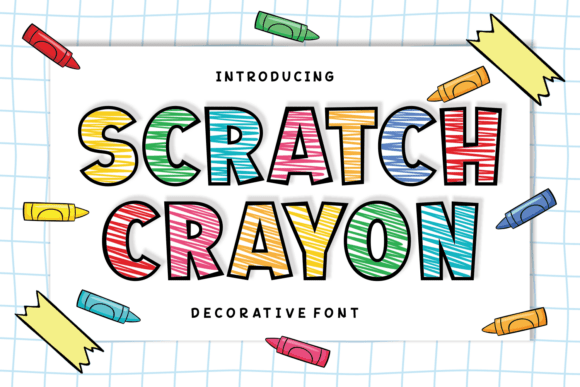
In the world of digital typography, finding a font that evokes genuine emotion can be a challenge. While geometric sans-serifs and elegant serifs have their place, they often lack the tactile warmth of human touch. This is where Scratch Crayon enters the conversation. It is not merely a collection of letters; it is a textured typeface designed to mimic the distinct, nostalgic appearance of a crayon drawn on paper. Unlike standard digital fonts that appear flat and sterile, this typeface features a unique, hand-scribed aesthetic with intricate cross-hatched strokes nested within bold, friendly outlines. It serves as a bridge between the precision of digital design and the organic imperfection of childhood creativity.
The Anatomy of a Whimsical Typeface
At its core, Scratch Crayon is a decorative display font. To understand its value, one must look at its construction. The characters are defined by a high-energy, textured fill that simulates the waxy residue of a crayon. However, the designers did not stop at simple texture; they surrounded these strokes with bold outlines. This structure ensures legibility even at smaller sizes or when placed over complex backgrounds, a common hurdle with many hand-drawn fonts.
The toolkit is comprehensive, offering creators a full set of uppercase and lowercase characters, vibrant numerals, and a wide array of punctuation marks. Furthermore, its multilingual support makes it a viable option for global projects, ensuring that the playful aesthetic does not come at the cost of inclusivity. For anyone evaluating typography, the distinction lies in the details: the slight imperfections in the line weight and the "coloring book" feel provide a sense of authenticity that standard flat fonts simply cannot replicate.
Why Educators and Parents Value This Aesthetic
For educators, the visual presentation of learning materials is often tied to engagement. A worksheet or presentation slide deck that looks rigid can feel intimidating to young learners. Scratch Crayon offers a solution by transforming standard text into something that feels approachable and fun.
Consider a kindergarten teacher creating a set of flashcards for letter recognition. Using a standard font like Arial or Times New Roman is functional, but it lacks context. By using Scratch Crayon, the teacher creates a visual connection between the digital text and the physical act of writing with crayons that the children are currently learning. This psychological resonance can make the material feel less like "school work" and more like play.
- Classroom Decor: Creating bulletin board headers that mimic student handwriting.
- Digital Slides: Making remote learning presentations feel warmer and less corporate.
- Printables: Designing homework sheets that encourage creativity.
Designers and Marketers: Standing Out with Texture
For graphic designers and marketers, the primary challenge is often differentiation. In a landscape dominated by minimalism and clean vector lines, Scratch Crayon provides a way to break the visual monotony. It is particularly effective for projects targeting family-oriented demographics or those aiming to evoke nostalgia.
A small business owner launching a children’s clothing line, for example, might use this font for hang tags and logo work. The texture implies that the product is handmade or artisanal, even if it is mass-produced. Similarly, event planners designing invitations for a child’s birthday party or a community fair can use the font to instantly set a spirited, celebratory tone without needing complex illustrations.
- Branding: Creating logos for toy stores, bakeries, or daycare centers.
- Apparel: Designing playful t-shirt graphics that appeal to a younger demographic.
- Event Promotion: Crafting posters for summer camps or school carnivals.
Evaluating Scratch Crayon: Practical Considerations
Different audiences will evaluate this typeface based on different priorities. A hobbyist scrapbooker may prioritize the emotional value and the "fun factor" of the font. They are looking for a typeface that feels like a creative extension of their personality. For them, the cross-hatched detail is a feature that adds depth to their digital photo albums.
Conversely, a professional UI/UX designer might be more critical. They would likely avoid using Scratch Crayon for body text or long paragraphs because the high level of texture can cause eye strain and reduce readability at small sizes. Instead, they would evaluate it strictly for headers or "call to action" buttons in specific contexts, such as a mobile game interface or a child-friendly app. For professionals, the priority is flexibility—ensuring the font renders well across different screen resolutions without losing its defining characteristics.
Accessibility and Readability
When integrating any textured font, accessibility must be considered. The "scratchy" nature of the crayon strokes, while charming, can pose challenges for users with visual impairments or dyslexia. Therefore, it is generally recommended to pair Scratch Crayon with a clean, sans-serif font for body text. This creates a hierarchy that maintains the playful aesthetic of the brand while ensuring the message remains accessible to everyone.
Comparing Aesthetics: Scratch Crayon vs. Standard Fonts
It is helpful to compare the impact of this font against standard options to understand its utility. A standard serif font conveys authority and tradition. A geometric sans-serif conveys modernity and efficiency. Scratch Crayon, however, conveys warmth, authenticity, and playfulness.
If a blogger is writing about parenting tips or DIY crafts, the font choice sets the expectation for the content. Using a corporate font might make the blog feel cold or overly technical. Using Scratch Crayon signals to the reader that the content is written by a real person with a relatable voice. It acts as a visual shorthand for "approachable."
Technical Versatility
From a technical standpoint, the font is designed for versatility across print and digital mediums. The bold outlines ensure that the text holds up well when printed on paper, preventing the "fuzzy" edges that can plague purely textured fonts. For digital use, the high contrast between the textured fill and the background allows the text to pop on social media graphics, which is crucial for grabbing attention in a fast-scrolling environment.
- Print Quality: Maintains integrity on flyers, brochures, and merchandise.
- Digital Rendering: Appears sharp on high-definition screens.
- Scalability: Works well for large headlines and poster sizes.
Matching the Font to Your Project Goals
Ultimately, the decision to use Scratch Crayon depends on the specific goals of the project. It is not a universal solution for all design needs, but where it fits, it excels.
For the entrepreneur, it offers a cost-effective way to inject personality into a brand identity without commissioning custom hand-lettering. For the educator, it is a tool for engagement. For the hobbyist, it is a source of joy. The key is to recognize the context: this font shines brightest when the goal is to evoke a sense of childhood wonder, handmade quality, or energetic fun.
When selecting this typeface, consider the medium. It is ideal for short bursts of text—headers, logos, slogans, and titles. It is less suited for technical documentation or formal correspondence. By understanding these boundaries, creators can leverage the Scratch Crayon aesthetic to its full potential, ensuring that every word looks like a cheerful masterpiece straight from a coloring book.
Final Thoughts on Creative Application
In conclusion, typography is about communication, and Scratch Crayon communicates a very specific message. It tells the audience that the creator values creativity, warmth, and a touch of whimsy. Whether you are a freelancer designing a logo for a new daycare center, a marketer creating a flyer for a summer festival, or a parent making a chore chart, this font provides the tools to make the message pop with personality.
By moving away from the rigidity of standard digital text and embracing the organic feel of crayon strokes, you invite your audience into a space that feels familiar and joyful. It transforms the mundane into the magical, proving that sometimes, the best design choices are the ones that remind us of being kids.