Baseball Classic: Integrating a Vintage Sporty Script Font into Your Design Workflow
In the world of branding and design, typography is rarely just about selecting a pretty letterform; it is a critical component of project management and visual strategy. A font choice dictates the mood of a campaign, influences consumer perception, and determines the longevity of a design asset. For designers, entrepreneurs, and creatives seeking to evoke nostalgia, Americana, or athletic energy, Baseball Classic stands out as a robust solution. This bold and stylish retro script font offers a vintage sporty feel, making it an essential tool for specific niches within the broader design ecosystem.
Understanding how to integrate a specialized typeface like Baseball Classic into your workflow requires more than just installation. It involves recognizing where a retro aesthetic fits within the planning phase, how it interacts with other visual assets, and the technical steps required to ensure consistency across various media. Whether you are developing merchandise, creating a logo, or designing social media quotes, the implementation of this font requires a structured approach to maximize its impact.
Defining the Asset: What is Baseball Classic?
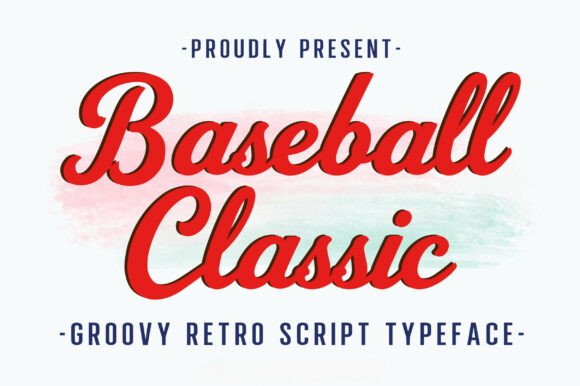
At its core, Baseball Classic is a script typeface designed to mimic the hand-lettering found on vintage sports jerseys and mid-century signage. However, its utility extends far beyond the baseball diamond. It is characterized by bold, flowing strokes that suggest speed and confidence. The font package typically includes both uppercase and lowercase characters, numbers, and punctuation, allowing for versatile creative use. This comprehensive character set is vital for ensuring that the font is not limited to headlines but can be used for functional text elements like dates, locations, and short slogans.
The "vintage sporty feel" is achieved through specific design choices—slightly condensed letterforms, connected scripts, and a weight that ensures legibility even on textured backgrounds. For a professional workflow, treating Baseball Classic as a "display font" is the correct approach. It is not intended for body copy or long-form reading but serves as a high-impact element for logos, branding, posters, and merchandise designs.
Strategic Placement in the Creative Process
When planning a design project, the selection of typography usually occurs during the mood boarding or concept phase. Baseball Classic should be introduced early if the project goals align with themes of heritage, team spirit, or rugged individualism.
Pre-Project Planning and Asset Organization
Before opening design software, successful creators audit their asset library. If you are a freelancer or small business owner, you likely have a folder structure for client projects. When you acquire Baseball Classic, the first step in your workflow should be proper organization. Do not leave the font file in your downloads folder. Move it to your active typography directory, install it system-wide, and—crucially—tag it in your font management software (such as Suitcase Fusion or FontBase) with keywords like "retro," "script," "bold," and "sports."
This organizational step saves time during the execution phase. When a client requests a "vintage vibe" for a t-shirt design, you can immediately filter your library to find Baseball Classic rather than searching through hundreds of sans-serifs. This is the efficiency of a well-managed workflow.
Compatibility and Technical Assessment
Before committing to Baseball Classic for a logo or permanent branding mark, a technical assessment is necessary. This involves testing the font across different platforms. Does it render well on mobile devices? If you are designing a responsive website, you need to ensure the script remains legible at smaller sizes. If the project is print-focused, such as posters or merchandise, you must verify that the vector paths of the font are clean and do not cause printing issues on screen-printing machines or embroidery looms.
A practical implementation tip is to create a "type test" document. Type out the alphabet, numbers, and punctuation in Baseball Classic at various sizes. Print it out or view it on different screens. This quality control step prevents the frustration of realizing a font is illegible after the design has been approved by a stakeholder.
Workflow Integration: From Concept to Execution
The true value of Baseball Classic is realized during the execution phase of a project. Here is how to integrate it into various common workflows for creatives and business owners.
Merchandise and Apparel Design
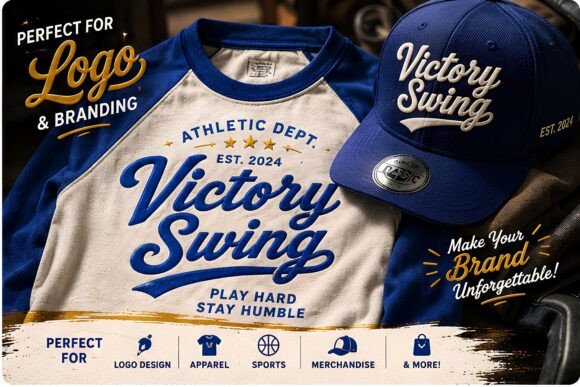
For designers working in the Print-on-Demand (POD) market or creating custom apparel, Baseball Classic is a powerful tool. In this workflow, the font often acts as the primary focal point. When designing t-shirts or caps, the process usually involves pairing the script with a secondary element, such as a crest, a number, or a distressed texture.
- Pairing Strategy: Use Baseball Classic for the main headline. Pair it with a clean, sans-serif font for sub-text (like dates or locations) to ensure the design does not look cluttered.
- Color Application: The vintage nature of the font works best with "heathered" colors or distressed textures. In your design software, consider applying a subtle noise filter or overlaying a grain texture to make the typography blend seamlessly with the vintage aesthetic.
- Production Considerations: When preparing files for DTG (Direct to Garment) printing, ensure the font is converted to outlines. This prevents font substitution errors at the print facility.
Branding and Logo Development
Using a recognizable font like Baseball Classic for a logo requires a nuanced process. Because it is a pre-made font, there is a risk of looking generic if used without modification. The workflow here involves "customization."
After typing out the brand name, the next step in Adobe Illustrator or similar vector software should be to "Create Outlines." This turns the text into editable vector shapes. From there, you can adjust the kerning (spacing between letters), alter the height of specific ascenders or descenders, or connect letters in unique ways. This transforms Baseball Classic from a standard asset into a bespoke logo mark.
Digital Marketing and Social Media
For marketers and content creators, the workflow is often about speed and consistency. Baseball Classic is excellent for creating "Quote Graphics" or promotional banners for platforms like Instagram or Pinterest.
However, legibility on screens is paramount. When implementing the font in a social media workflow:
- Contrast Check: Ensure the background image is dark enough if the font is white, or light enough if the font is dark. The bold nature of the script requires high contrast to pop.
- Size Limits: Avoid using Baseball Classic for text smaller than 24px on screens. If you need to convey detailed information (like terms and conditions), switch to a legible sans-serif.
- Templates: Create reusable templates in tools like Canva or Photoshop with Baseball Classic locked in as the header font. This ensures brand consistency across multiple posts without re-designing from scratch.
Interacting with Other Tools and Resources
No font exists in a vacuum. Baseball Classic interacts with other assets in your library. To get the most out of this font, you must understand its relationships with other design elements.
Texture Packs: Retro designs often rely on distressing. Baseball Classic pairs exceptionally well with "grunge" overlay textures. In your workflow, this means you might need to purchase or download separate texture assets to achieve the final look.
Color Palettes: The font suggests a specific era. It interacts best with color palettes that evoke the past—mustard yellows, deep reds, navy blues, and off-whites. When planning your project, pull a vintage color palette before you start coloring the text. This ensures the typography feels native to the design environment.
Grid Systems: Because Baseball Classic is a script font, it has a lot of movement. It works best when anchored by a rigid structure. Using a grid system to align the script with other geometric elements (like boxes or lines) creates a professional tension between chaos (the script) and order (the grid).
Long-Term Use and Asset Management
For freelancers and agencies, a font like Baseball Classic is a long-term investment. It is not a "one-and-done" tool but a recurring asset for specific client demographics.
Building a Style Guide
If you use Baseball Classic for a client's branding, document its usage in a style guide. Specify which contexts are appropriate (e.g., "Use for event posters and merchandise only") and which are not (e.g., "Do not use for internal email signatures"). This documentation is part of the project handoff process and ensures the client maintains the design integrity you established.
Version Control
Fonts are occasionally updated by their creators to fix bugs or add characters. Keep the installation files of Baseball Classic in a dedicated archive folder labeled with the version number and date of purchase. If a computer crashes or a new team member joins the project, you can quickly reinstall the exact version used in the project, preventing layout shifts or missing glyph errors.
Conclusion: Elevating the Standard Workflow
Integrating Baseball Classic into your creative toolkit is about more than just having a "cool font." It is about understanding the psychology of design and executing a vision with precision. By treating the font as a strategic asset—organizing it properly, testing its technical limits, and pairing it with complementary tools—you can streamline your production process. Whether you are a small business owner launching a merchandise line or a designer crafting a nostalgic brand identity, Baseball Classic provides the stylistic foundation needed to deliver high-quality, consistent results. It transforms a standard layout into a dynamic statement, bridging the gap between a rough idea and a polished, market-ready product. ⚾