Brush Texture: A Deep Dive into the Bold Vintage Font
In the vast and often overwhelming world of digital design, the choice of typography can make or break a project. While minimalism and sans-serif fonts have dominated the web for years, there is a growing counter-movement favoring personality, warmth, and character. Enter Brush Texture, a typeface that refuses to blend into the background. This isn't just a font; it is a design statement. With its distinct vintage aesthetic and commanding presence, Brush Texture is quickly becoming a go-to resource for creators who want their work to stand out.
Whether you are a small business owner designing a new logo, a graphic artist creating merchandise, or a hobbyist looking to spice up a personal project, understanding the capabilities of a bold font like this is essential. This article explores the nuances of Brush Texture, examining its design philosophy, its practical applications, and how you can leverage its unique characteristics to elevate your creative work.
Understanding the Anatomy of Brush Texture
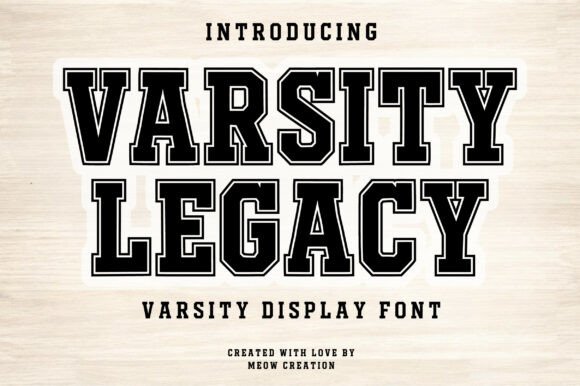
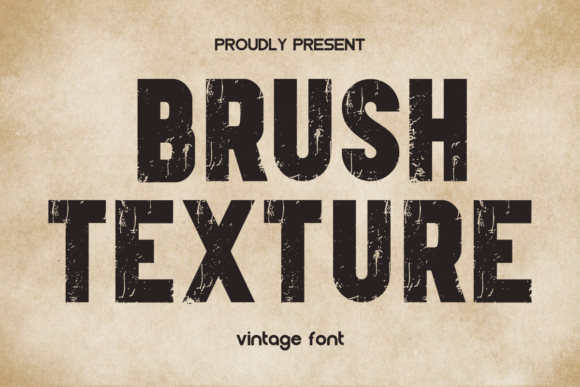
At first glance, the appeal of Brush Texture is undeniable. It carries a heavy weight, often described as "bold" or "heavy," which gives it immediate visual gravity. But what separates it from other bold fonts? The answer lies in its construction. The font features wide characters that occupy space confidently. Unlike condensed fonts that try to fit as much text as possible into a small area, Brush Texture demands room to breathe. This width allows the intricate details of each letterform to be appreciated.
The defining feature, however, is the serif. In typography, a serif is a small line attached to the end of a stroke in a letter. In Brush Texture, these serifs are not just functional; they are stylistic anchors. They are bold, robust, and often slightly bracketed, giving the text a sturdy foundation. This design choice evokes a sense of reliability and timelessness, reminiscent of old wood type posters or mid-century signage.
The "Vintage" Vibe and Modern Appeal
The term "vintage" is often overused, but in the context of Brush Texture, it is earned. The font possesses a texture—a visual grain or roughness—that mimics the imperfections of ink on paper or paint on wood. This imperfection is its superpower. In an era of pixel-perfect digital rendering, the organic feel of Brush Texture offers a human touch. It suggests that a real person created the design, adding a layer of authenticity that resonates with audiences tired of sterile corporate aesthetics.
However, vintage does not mean outdated. The unique feel of Brush Texture makes it surprisingly versatile in contemporary design. It bridges the gap between the rustic and the modern. For instance, when paired with a clean, geometric sans-serif font for body text, Brush Texture creates a stunning contrast that feels fresh yet familiar.
Practical Applications: Where Brush Texture Shines
The true value of a font is measured by its utility. Brush Texture is not designed for long paragraphs of body copy; its boldness and wide spacing would make reading dense text difficult. Instead, it excels in specific, high-impact scenarios. Its primary strength lies in its ability to grab attention instantly.
Headlines and Titles
The most obvious application is for headlines. Whether it is the title of a blog post, a magazine cover, or a hero section on a website, Brush Texture commands the reader's eye. It sets the tone immediately, signaling that the content that follows is important, creative, or entertaining. A well-placed headline in Brush Texture can anchor an entire page layout.
Merchandise and Apparel
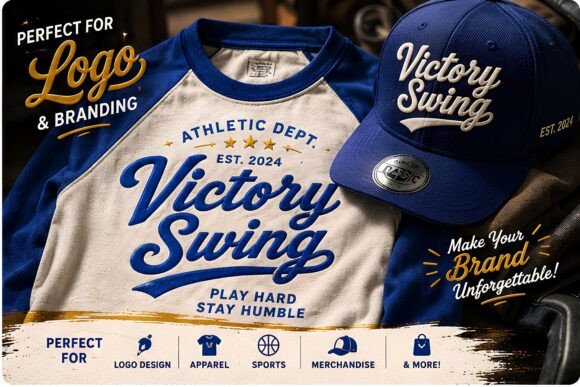
The font is particularly well-suited for the print-on-demand and fashion industries. Its bold serifs and wide stance translate beautifully to fabric.
- T-Shirts and Hoodies: The texture of the font mimics the look of screen printing or distressed fabric, making it ideal for apparel. It gives clothing a "lived-in," premium feel that consumers love.
- Tote Bags and Accessories: On accessories, the font acts as a standalone graphic element. A single word or a short phrase in Brush Texture can turn a plain tote bag into a fashion statement.
Branding and Product Labels
For business owners, branding is about differentiation. If you run a craft brewery, a coffee roastery, a barbershop, or an artisanal bakery, your brand needs to communicate heritage and quality. Brush Texture fits these niches perfectly. It looks fantastic on product labels, especially those with a rustic or hand-crafted theme. The bold letterforms ensure that the product name is readable even from a distance on a crowded shelf.
Digital Media and Banners
In the digital space, attention spans are short. Banner ads and social media graphics need to communicate a message in seconds. Brush Texture is optimized for this. Its high legibility at large sizes makes it perfect for YouTube thumbnails, Instagram story headers, and event posters. It cuts through the noise of a busy social media feed.
Who Benefits from Using Brush Texture?
The versatility of this font means it appeals to a wide demographic of creators and professionals.
- Graphic Designers: Designers constantly seek fresh assets to add to their toolkit. Brush Texture offers a distinct style that can solve specific design problems, particularly when a project calls for a retro or edgy aesthetic.
- Small Business Owners: Entrepreneurs often manage their own marketing materials. A font like Brush Texture is user-friendly because its inherent style does a lot of the heavy lifting. Even a simple design looks professional when the typography is this strong.
- DIY Enthusiasts and Crafters: For those involved in handicraft projects—such as creating custom book covers, scrapbooking, or designing invitations—Brush Texture provides a polished, artistic look without requiring advanced design skills.
- Web Designers: Used strategically in web design, the font can add personality to a site. It is often used for "call to action" buttons or section headers to break up the monotony of standard web fonts.
Evaluating Suitability and Best Practices
While Brush Texture is a powerful tool, it is not a magic wand. Using it effectively requires an understanding of its strengths and limitations. The goal is to enhance your message, not overshadow it.
The Importance of Context
Context is everything. A font that works perfectly for a rock band poster might not be appropriate for a law firm’s annual report. Brush Texture thrives in environments that value creativity, individuality, and craftsmanship. If your project requires strict formality or high-density data presentation, this font should likely be avoided.
Pairing Fonts
One of the most common mistakes in design is pairing two fonts that clash. Because Brush Texture is so bold and stylistic, it pairs best with neutral companions.
- Sans-Serif Pairing: Pairing Brush Texture with a clean sans-serif (like Arial, Helvetica, or Montserrat) creates a balanced, modern look. The sans-serif handles the body text, while Brush Texture handles the headlines.
- Script Pairing: While possible, pairing it with another decorative or script font can be risky. It often leads to visual clutter. If you do use a script, ensure it is very delicate to contrast with the boldness of Brush Texture.
Color and Contrast
Given its heavy weight, Brush Texture works best with high contrast. Dark text on a light background is a classic choice. However, it also looks striking in inverted scenarios—white text on a dark or textured background. Because of the "texture" in the font, it can also be overlaid on images, provided the image isn't too busy behind the letters.
Real-World Scenarios: Inspiration for Your Next Project
To fully grasp the potential of Brush Texture, let’s visualize a few scenarios where it transforms a project.
Scenario 1: The Coffee Shop Menu
Imagine a chalkboard menu in a busy café. Instead of standard block letters, the headers for "Espresso," "Latte," and "Pastries" are written in Brush Texture. The font’s vintage feel complements the artisanal nature of the coffee beans. It feels welcoming and established, encouraging customers to explore the menu.
Scenario 2: The Indie Band Poster
A local band is playing a gig on Friday night. They need a poster that screams energy. The band's name is displayed in Brush Texture, filling the top third of the page. The bold serifs and rough edges mimic the raw sound of live music. It looks gritty, real, and impossible to ignore on a telephone pole.
Scenario 3: The Etsy Shop Logo
An entrepreneur is selling handmade leather journals on Etsy. Their logo features their shop name in Brush Texture. The font’s wide characters and vintage vibe suggest durability and tradition. It tells the buyer that this product is made with care and built to last, aligning perfectly with the product's value proposition.
Conclusion
In the realm of design, typography is the voice of the visual language. Brush Texture speaks with a voice that is loud, confident, and steeped in history, yet perfectly tuned for the modern age. It is more than just a collection of vectors; it is a tool for storytelling. By leveraging its bold serifs, wide characters, and vintage texture, creators can inject personality and authenticity into their work.
Whether you are designing a t-shirt, crafting a logo, or building a website, consider the impact of your typeface. Brush Texture offers a solution for anyone looking to move beyond the mundane and create designs that truly connect with their audience. It is a reminder that in a digital world, a little bit of texture goes a long way.