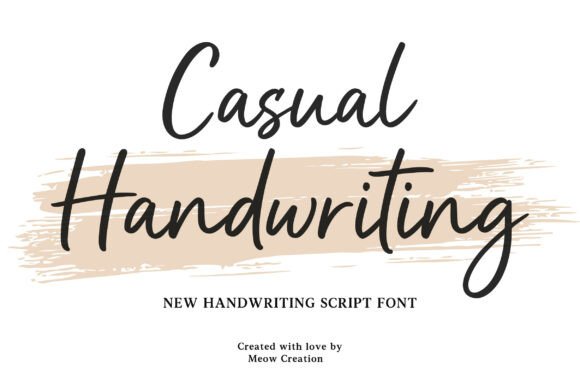
Casual Handwriting: A Strategic Choice for Modern Communication
The Psychology Behind the Style
When you choose a typeface, you are not merely selecting a visual style; you are making a decision about voice and tone. Casual Handwriting represents a specific psychological trigger in the viewer's mind. It signals authenticity, approachability, and a break from rigid corporate formality. For professionals aged 20 to 50, particularly those in branding, marketing, or small business ownership, understanding this psychological impact is the first step in effective design strategy.
The font mimics the natural irregularities of human writing, featuring smooth, relaxed strokes and soft curves. Unlike rigid serif or sans-serif fonts that demand attention through structure, Casual Handwriting invites the reader in. It reduces the perceived distance between the brand and the consumer. If your strategic goal is to build a community or foster a sense of intimacy with your audience, this font choice is a tactical asset. It suggests that a human, not an algorithm, is behind the message.
Strategic Application in Branding
Branding is about consistency and positioning. Using Casual Handwriting effectively requires a clear understanding of where it fits within your broader visual identity. It is rarely a good choice for dense body copy or legal disclaimers where clarity is paramount. However, as a tool for differentiation, it is highly effective.
Consider the hierarchy of your information. For a small business owner designing packaging or a freelancer creating a portfolio, Casual Handwriting works best at the top of the hierarchy. Use it for headers, taglines, or specific call-outs that require a warm, friendly tone. The balanced strokes of this font ensure that while it looks personal, it remains legible—a critical factor in user experience. You want the charm of a handwritten note without the illegibility of a doctor’s prescription.
Aligning Font with Business Goals
Your typography should support your business objectives. If your goal is to appear as a highly technical, authoritative firm, Casual Handwriting might undermine that positioning. However, if you are a coach, a lifestyle brand, a creative agency, or a local boutique, this style reinforces your value proposition. It visually communicates that you value creativity and personal connection.
For entrepreneurs, the decision to use a font like Casual Handwriting should be part of a larger planning process. Ask yourself: Does this visual style match the experience I deliver? If your service is bespoke, handmade, or highly personalized, the font is a mirror of that service. It creates a cohesive narrative from the first visual impression to the final customer interaction.
Practical Use Cases and Execution
Knowing when to deploy Casual Handwriting is just as important as knowing how. It is a versatile tool, but it performs best in specific environments where emotional connection drives conversion or engagement.
- Social Media Engagement: On platforms like Instagram or Pinterest, users scroll quickly. A block of standard text often gets ignored. Casual Handwriting stands out because it mimics the organic nature of user-generated content. It feels native to the platform, making quotes, tips, or announcements feel more personal and less like an advertisement.
- Invitations and Events: For event planners or educators hosting workshops, the font sets the mood immediately. It suggests a relaxed atmosphere. It tells the attendee that the event will be welcoming rather than stiff.
- Product Mockups: If you are selling T-shirts or merchandise, the font choice defines the product's personality. Casual Handwriting lends a modern, trendy aesthetic to apparel designs that appeals to a broad demographic.
Planning Your Design Layout
Do not treat Casual Handwriting as a standalone element. It requires a supporting cast. Because it has a distinct personality, pairing it with a clean, neutral sans-serif font is a strategic necessity. This contrast creates visual balance. The handwriting draws the eye to the key message, while the clean font provides the supporting details. This pairing ensures that your designs are both striking and functional.
When planning your layout, consider the "white space" around the text. Casual Handwriting needs room to breathe. Crowding it against other design elements can make the composition feel chaotic. Give the soft curves and balanced strokes space to exist; this reinforces the "relaxed" nature of the font and improves readability.
Avoiding Common Pitfalls
One of the risks of using a distinct font like Casual Handwriting is overuse. If every piece of text on your website or brochure is in this script, the "special" quality is lost, and the design becomes cluttered. It can also lead to cognitive fatigue for the reader, as deciphering script fonts requires more mental energy than standard typefaces.
Another consideration is context. While Casual Handwriting is excellent for creative industries, it can be jarring if misapplied. For instance, using it for a formal business proposal or a serious medical announcement might be perceived as tone-deaf. Strategic decision-making involves reading the room. Ensure the warmth of the font matches the gravity of the message.
Long-Term Value and Consistency
For creators and marketers, building a recognizable brand takes time. Consistency is the vehicle for that recognition. Once you decide to integrate Casual Handwriting into your toolkit, commit to it. Use it consistently across your chosen touchpoints—whether that is your email headers, your Instagram stories, or your product tags.
Over time, your audience will begin to associate that specific visual style with your brand. It becomes a shorthand for the experience you provide. Casual Handwriting