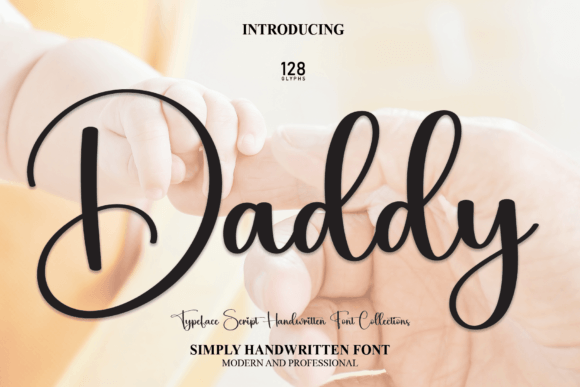
The Art of Handwritten Charm: Mastering the Sunflower Font in Modern Design
In the vast landscape of digital typography, where sans-serifs dominate user interfaces and serifs rule the printed page, there exists a specialized niche for typefaces that evoke human touch. The Sunflower font represents a specific evolution in this category, bridging the gap between the chaotic nature of raw handwriting and the structured requirements of professional layout design. Understanding how to utilize a font like Sunflower effectively requires an appreciation for typographic contrast, readability, and the psychological impact of "cute" aesthetics in communication.
Defining the Aesthetic: Calligraphic Influence Meets Contemporary Needs
At its core, the Sunflower typeface is defined as a cute handwritten font. However, this simple classification belies the technical precision involved in its creation. The descriptor "carefully handcrafted" suggests that the letterforms were likely drawn by hand and then digitized, a process that preserves the organic irregularities of ink on paper while ensuring vector scalability.
The font maintains classy calligraphic influences. This is a critical distinction that separates it from casual or grunge handwriting fonts. Calligraphy implies a set of rules regarding stroke order, pressure, and flow. By adhering to these influences, Sunflower ensures that letters connect logically and maintain a consistent baseline, preventing the text from looking disjointed or difficult to read. Despite these traditional roots, the font feels contemporary and fresh. This modernity is likely achieved through open letterforms, generous spacing, and a lighter weight that aligns with current minimalist design trends.
The Psychology of "Cute" in Typography
When a design is described as "cute," it triggers specific psychological responses in the viewer. Cute typography often implies approachability, warmth, and non-threatening communication. In a business context, using a font like Sunflower can soften a brand's voice, making it appear more human and less corporate. This is particularly relevant for businesses targeting younger demographics or those in the wellness and lifestyle sectors. The "true favorite" quality of the font comes from its ability to feel personal, as if a friend wrote the note, rather than a machine printing it.
Practical Applications: From Stationery to Digital Branding
The versatility of Sunflower allows it to cross boundaries between physical and digital mediums. The font’s design makes it adaptable for a wide range of "crafty ideas," but its utility extends well beyond scrapbooking. To use it effectively, one must understand where the font shines brightest and where it might struggle.
Stationery and Physical Goods
The most intuitive application for a handwritten font is stationery. Sunflower excels in this environment because it mimics the personal touch of a handwritten letter.
- Wedding Invitations: The calligraphic undertones provide the necessary elegance for formal events, while the handwritten style keeps the invitation feeling intimate.
- Greeting Cards: For birthday cards or thank-you notes, the "cute" aspect adds a layer of sentimentality that standard serif fonts cannot convey.
- Packaging Design: Small business owners selling artisanal goods often use handwritten fonts on labels to suggest that the product was made by hand.
Digital Headers and Titles
In web design, Sunflower is best utilized for display purposes rather than body copy. Its strengths lie in creating visual hierarchy.
- Hero Sections: Using the font for a large headline on a landing page can immediately establish a friendly tone.
- Blog Titles: Lifestyle and travel bloggers frequently use handwritten fonts for post titles to differentiate them from the standard body text.
- Social Media Graphics: The font’s fresh aesthetic makes it ideal for Instagram stories or Pinterest pins where visual appeal drives engagement.
Technical Considerations for Implementation
While the aesthetic appeal of Sunflower is evident, successful implementation relies on technical execution. A common mistake when using handwritten fonts is ignoring legibility at smaller sizes. Because Sunflower features calligraphic swashes and connecting strokes, it can become muddy if reduced below a certain pixel threshold.
Pairing Strategies
A standalone handwritten font can sometimes overwhelm a layout. The most effective designs use Sunflower in conjunction with a neutral typeface. This concept, known as type pairing, relies on contrast.
- Sunflower + Sans-Serif: Pairing the font with a clean sans-serif (like Helvetica, Roboto, or Open Sans) creates a modern look. The sans-serif handles the heavy lifting of readability for body text, while Sunflower provides the personality in the headers.
- Sunflower + Slab Serif: For a more vintage or rustic vibe, pairing with a slab serif can ground the whimsical nature of the handwritten text.
When setting the font size, ensure there is sufficient leading (line height). Handwritten fonts often have ascenders and descenders (the tails of 'y' or 'g' and the tops of 'h' or 'l') that extend further than standard block letters. Tight line spacing can cause these characters to collide, ruining the clean, fresh look the font is designed to provide.
Workflow Integration for Creators and Educators
For educators and content creators, the workflow for using Sunflower involves more than just installation. It requires a mindset shift toward "design thinking." When creating educational worksheets, for instance, a teacher might use Sunflower to highlight key vocabulary words. The distinct style draws the student's eye to important information without the need for aggressive bolding or highlighting.
For researchers presenting data, the font should be used sparingly—perhaps only in the title of a presentation slide to break the monotony of data-heavy visuals. The goal is to use the font's "contemporary" feel to make dry information feel more accessible.
File Formats and Compatibility
Most modern iterations of fonts like Sunflower come in OpenType (OTF) or TrueType (TTF) formats. OTF is generally preferred for designers as it often includes additional glyphs and stylistic alternates. These alternates allow the user to swap out specific letters to avoid repetition—for example, if you have two 'o's next to each other, an alternate glyph can make the second 'o' look slightly different, enhancing the handwritten illusion.
Trends in Typography: Why Handwritten Fonts Persist
The enduring popularity of fonts like Sunflower speaks to a broader trend in design: the rejection of sterility. As our interactions become increasingly digital, there is a counter-movement seeking authenticity. A "carefully handcrafted" font satisfies this craving for the human element. It suggests that behind the screen, there is a creator who cares about the aesthetic experience of the user.
However, trends are cyclical. While the "cute" aesthetic is currently popular, it is essential for business owners to consider longevity. Sunflower strikes a balance here; because it is rooted in classy calligraphic influences, it possesses a timeless quality that purely trendy fonts (like extreme grunge or distorted text) lack. It is likely to remain relevant longer than more experimental typefaces.
Accessibility and Readability Standards
Accessibility is a crucial consideration often overlooked when designers choose "cute" fonts. For users with dyslexia or visual impairments, handwritten fonts can pose challenges. The irregular baselines and decorative ligatures can make it difficult to distinguish between similar characters, such as a lowercase 'l' and an uppercase 'I', or a 'c' and an 'e'.
When using Sunflower, adhere to the following best practices to ensure inclusivity:
- High Contrast: Ensure the text color has a high contrast ratio against the background.
- Adequate Size: Never use the font for fine print, terms and conditions, or essential navigation links.
- Contextual Use: Limit its use to decorative headlines where the specific wording is reinforced by surrounding content or images.
The Role of White Space
Because Sunflower has a distinct personality, it requires breathing room. Crowding the text into tight margins diminishes its elegance. Generous white space (negative space) around the text allows the calligraphic curves to be appreciated. This is particularly true for letterheads, where the text needs to float gracefully on the page rather than sit heavily in a corner.
Conclusion: Cultivating a Unique Visual Identity
The Sunflower font is more than just a collection of vector paths; it is a tool for emotional connection. By combining the discipline of calligraphy with the looseness of contemporary handwriting, it offers a versatile solution for a wide range of creative challenges. Whether used on a wedding invitation, a corporate letterhead seeking a softer touch, or a digital banner aiming for engagement, the font delivers on its promise of being a true favorite. Its success lies in its ability to feel personal in an impersonal world, provided it is used with technical care and an understanding of its intended audience.