Party Days: A Groovy Font for Bold Visual Design
Every designer knows the power of a typeface that instantly injects energy and personality into a project. The right font doesn't just convey words; it sets a tone, evokes an emotion, and captures attention. For projects demanding a playful, retro-inspired accent, the Party Days font offers a vibrant solution, blending nostalgic bold typography with a distinctly modern groove.
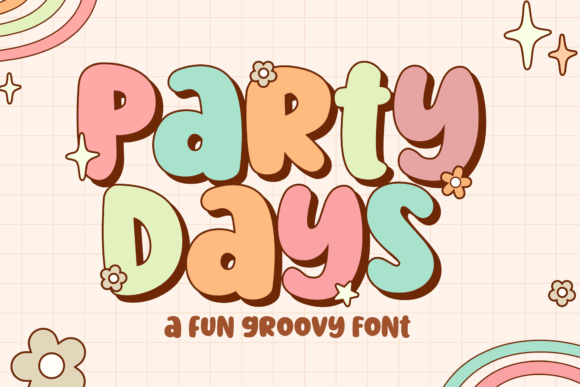
At its core, Party Days is a display typeface characterized by its thick, rounded letterforms and a sense of rhythmic movement. Inspired by the bold graphic styles of the 1970s, it carries an inherent fun and approachable quality. This makes it a powerful tool in a designer's toolkit, especially when the goal is to create visual communication that feels energetic, welcoming, and memorable. Its design directly supports strong visual hierarchy, ensuring key messages in headlines or logos leap off the page or screen.
Practical Applications for the Party Days Font
The true value of any creative asset lies in its versatility. Party Days excels across a range of applications where a touch of playful sophistication is required. Its robust character set and distinctive style make it suitable for numerous design contexts, from physical products to digital landscapes.
- Branding and Logo Design: A logo sets the entire visual identity for a brand. Using Party Days can instantly position a brand as friendly, creative, and dynamic, making it ideal for lifestyle brands, entertainment companies, or any business targeting a youthful, energetic audience.
- Marketing and Social Media Graphics: In the fast-scrolling environment of social media, a font that commands attention is crucial. This font is perfect for creating engaging Instagram stories, Facebook ad headlines, or promotional posters that need to stop the scroll and communicate a joyful message quickly.
- Packaging and Merchandise: On physical products, typography must be both attractive and functional. Party Days can make packaging for snacks, beverages, or cosmetics stand out on the shelf. It also translates wonderfully to merchandise like t-shirts, tote bags, and stickers, where its retro vibe adds a collectible, trendy feel.
- Editorial and Web Design: While primarily a display font, it can be used strategically in editorial layouts for chapter titles or pull quotes. In UI design, it can add personality to landing pages, event websites, or app interfaces, enhancing the user experience with a burst of character without compromising readability for short-form text.
Tips for Effective Implementation
Integrating a strong display font like Party Days into a design system requires thoughtful execution to maintain professionalism and clarity. Consider these factors to maximize its impact:
- Prioritize Readability and Scale: Use it for headlines, subheadings, and short calls-to-action rather than long paragraphs of body text. Ensure the font size is large enough for its details to be clear, particularly in digital contexts where screen resolution varies.
- Harmonize with Your Color Palette and Imagery: The font’s retro feel pairs well with both vibrant, psychedelic color schemes and more muted, earthy tones. Choose a color palette that complements its style. Pair it with clean, simple imagery or other retro-inspired graphics to create a cohesive visual language.
- Maintain Visual Hierarchy: Use Party Days for the most important textual elements. Contrast it with a simple, clean sans-serif or serif font for body copy. This contrast ensures the design remains balanced, professional, and easy to navigate, guiding the viewer’s eye effectively.
- Evaluate for Your Audience: Always consider the end-user. While perfect for designs aimed at a fun-loving demographic, it may not be the best fit for ultra-corporate or formal communications. Its strength lies in connecting with audiences seeking authenticity, joy, and a touch of nostalgia.
Ultimately, the choice of typography is a fundamental pillar of successful graphic design and brand identity. A font like Party Days is more than just a set of letters; it's a creative asset that can define the mood of an entire project. By thoughtfully selecting and applying such resources, designers and creators can significantly enhance their work's visual appeal, emotional resonance, and overall communicative power, ensuring their projects not only look polished but also connect meaningfully with their intended audience.