Black Ink: A Contemporary Blackletter for Bold Branding
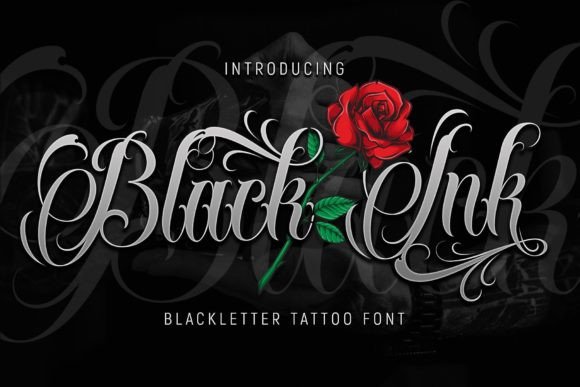
When you're designing for brands that need to convey strength, tradition, or a rebellious edge, the typography choice becomes critical. Black Ink steps into that space as a contemporary blackletter tattoo font, blending the historical weight of Old English scripts with the clean execution demanded by modern design. It isn’t just a typeface; it is a design asset built for visual impact. Whether you are working on logo design, editorial layouts, or merchandise, this font offers a distinct voice that refuses to blend into the background.
Unlike the dense, hard-to-read blackletter fonts of the past, Black Ink has been crafted with modern typography in mind. It retains the ornamental, angular strokes that define the gothic style but cleans up the geometry to ensure it functions well in digital and print environments. This makes it a premium font choice for projects where you need to evoke a specific mood—be it vintage, edgy, or luxurious—without sacrificing the integrity of your design.
The Visual Character of Black Ink
Black Ink is defined by its high contrast and sharp details. It carries the DNA of traditional calligraphy but executes it with the precision of a contemporary display font. The letterforms are structured and rhythmic, offering a sense of movement that static serif fonts often lack. It feels tactile, almost as if the ink has just been pressed onto the paper or screen. This texture gives it an organic quality that resonates well with audiences looking for authenticity rather than sterile perfection.
The personality of this typeface is undeniably bold. It commands attention immediately, making it a strong candidate for headlines and feature text. However, its utility extends beyond just being loud. The specific styling of Black Ink allows it to bridge the gap between streetwear aesthetics and high-end branding. It can look gritty on a band poster and sophisticated on a luxury packaging label, depending on how it is paired with supporting elements. It is this versatility within a niche style that makes it a valuable addition to any designer’s library.
Strategic Applications for Modern Creators
For entrepreneurs and small business owners, choosing the right font is a strategic decision. Black Ink excels in environments where brand identity needs to be established quickly and memorably. Consider the apparel industry: t-shirt designs rely heavily on typography to convey a message or an attitude. Black Ink provides that "tattoo font" aesthetic that is perennially popular in streetwear, skate culture, and rock merchandise. It translates perfectly to screen printing and embroidery, maintaining its legibility even when applied to textured fabrics.
In the realm of packaging design, particularly for craft beverages, barbershops, or artisanal goods, this font creates an immediate sense of heritage. It suggests craftsmanship and attention to detail. When used on labels or flyers, it sets a mood that standard sans serif fonts simply cannot achieve. For content creators and social media managers, Black Ink serves as a powerful tool for creating scroll-stopping graphics. A bold headline set in Black Ink can anchor a visual hierarchy, drawing the eye to the most important information on a poster or a digital ad.
Mastering Font Pairings and Readability
The true power of a display font like Black Ink is often revealed in how it is paired with other typefaces. Because Black Ink is so stylistically distinct, it acts as a strong anchor. It pairs beautifully with clean sans serif fonts or geometric sans serifs. The contrast between the intricate details of the blackletter and the minimalism of a modern sans serif creates a balanced visual hierarchy. For example, using Black Ink for a main headline and a legible sans serif for body text allows the design to feel dynamic without overwhelming the reader.
Readability is always a consideration with stylistic fonts. While Black Ink is designed to be more legible than historical blackletter scripts, it is best used for short bursts of text. Think logos, headers, pull quotes, and call-to-action buttons. Avoid setting long paragraphs in this font, as the density of the strokes can cause eye fatigue. In editorial design, it works best as a "drop cap" or a section header to break up long-form content. In web design, it can be used for hero text to make a strong first impression, provided the body copy is set in a highly readable serif or sans serif font.
Evaluating Fit and Commercial Use
When deciding if Black Ink is the right fit for your project, consider the emotional response you want to elicit. Does your brand value tradition, edginess, or artistic flair? If the answer is yes, this font likely aligns with your goals. It is essential to look at the included styles and glyphs when evaluating a premium font. Many high-quality creative fonts include alternate characters, ligatures, and swashes that allow for customization. These features enable you to tweak the typography so it feels unique to your specific brand identity, preventing your design from looking like a template.
Finally, understanding the commercial license is vital for any business owner or publisher. Most high-quality design assets come with specific terms regarding usage on merchandise, websites, and print media. Ensuring you have the correct license for your intended use protects your business and supports the type designers who create these tools. Whether you are designing a logo for a client, publishing a magazine, or launching a clothing line, Black Ink offers a reliable, high-impact solution that balances historical style with modern utility. It is a confident choice for anyone looking to make a mark.