Mastering the California Style: A Strategic Guide to Blackletter Typography
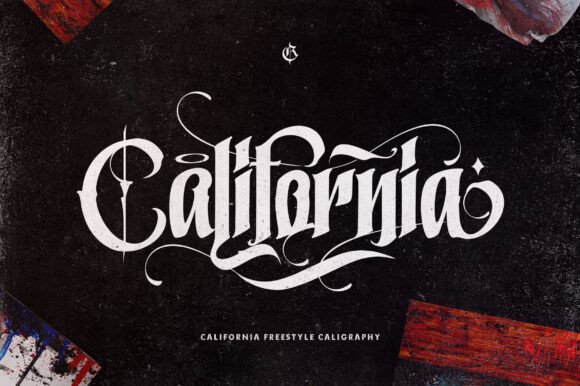
In the world of visual communication, typography is rarely just about making words legible; it is about making a statement. The California Style font represents a specific category of bold, thick-lettered blackletter typography that carries significant historical weight and contemporary edge. For designers, entrepreneurs, and creatives, adopting a typeface like this is not merely an aesthetic choice—it is a strategic decision regarding brand positioning and audience perception. Understanding how to deploy California Style effectively requires a nuanced approach to planning, context, and execution.
Defining the Aesthetic and Its Strategic Value
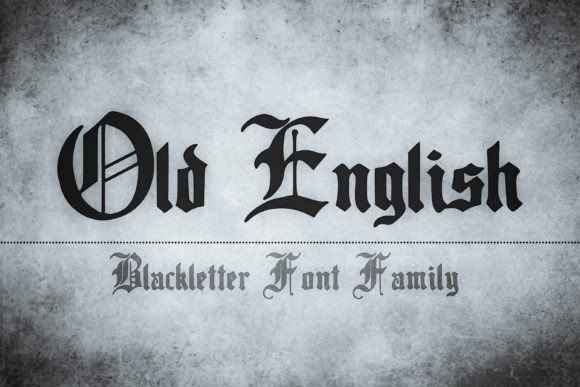
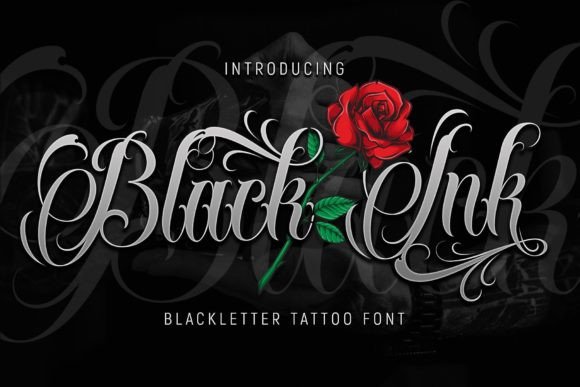
Blackletter fonts, often associated with old manuscripts, newspaper mastheads, and heavy metal aesthetics, have evolved. The California Style font modernizes this look with bold strokes and distinct character, making it relevant for contemporary branding. Strategically, choosing a font like this signals a departure from the safe, sans-serif minimalism that dominates the digital landscape. It suggests confidence, tradition with a twist, and a refusal to blend into the background.
However, the value of California Style lies in its ability to create an immediate emotional anchor. For businesses looking to establish authority or a distinct personality, this font serves as a visual shorthand for "seriousness" or "rebellion," depending on the context. It is not a passive choice; it is an active tool for positioning. When you introduce California Style into your assets, you are inviting your audience to take a second look, which is often the first step in the customer acquisition funnel.
Technical Fluency: Leveraging PUA Encoding
A critical component of utilizing California Style effectively is understanding the technical infrastructure provided by the font file. The fact that this typeface is PUA (Private Use Areas) encoded is a significant operational advantage. In practical terms, this means that all glyphs, swashes, and stylistic alternates are accessible across virtually all software platforms, regardless of whether they have advanced OpenType support.
For the creator or marketer, this accessibility removes technical barriers to creativity. You do not need to be a typography expert to access the full potential of the font. California Style allows you to mix and match character sets to create unique ligatures and decorative elements. This capability is crucial for customizing headers, logos, or monograms so that they feel bespoke rather than off-the-shelf. Utilizing these swashes strategically can transform a standard headline into a piece of graphic art, enhancing the perceived value of your content or product.
Strategic Application: When and Where to Use It
The decision to use California Style should be driven by context and goals. Because it is a display font characterized by heavy, intricate strokes, it is best suited for specific applications where impact is prioritized over readability of long-form text. Using it randomly can clutter a design, but using it intentionally can elevate a brand’s visual hierarchy.
Effective Use Cases
- Branding and Logos: For businesses in the fashion, beverage, or artisanal sectors, California Style provides a vintage or premium feel. It works exceptionally well for logos that need to convey heritage or craftsmanship.
- Marketing Headlines: In advertising, where you have only a fraction of a second to grab attention, the bold nature of California Style commands the eye. It is ideal for hero text on landing pages or the main headline of a poster.
- Merchandise: Apparel, mugs, and stickers often rely on bold typography. The aesthetic of California Style translates well to print-on-demand products because it holds its weight on fabric and hard goods.
- Social Media Assets: To stop the scroll, creators can use this font for emphasis in Instagram stories or YouTube thumbnails. The density of the letters makes them readable even at smaller thumbnail sizes.
Avoiding Common Pitfalls and Risks
While the aesthetic appeal of California Style is high, relying on it without clear goals can lead to communication breakdowns. The primary risk with blackletter fonts is legibility. If used for body text or at small sizes, the intricate details of the letters can merge, making the content unreadable. This frustrates the user experience and can damage brand credibility.
Furthermore, context matters immensely. California Style carries specific cultural connotations. While it evokes strength and history for a coffee roaster or a barbershop, it might send the wrong signal for a children’s toy brand or a medical provider. Strategic planning involves assessing your audience's expectations. You must ensure that the "voice" of the font aligns with the message you intend to convey. Overusing the font can also lead to visual fatigue; it should be a spice, not the main ingredient.
Integrating California Style into Your Workflow
To get the best results, treat California Style as a strategic asset within your broader design system. Do not simply install it and use default settings. Instead, take advantage of the PUA encoding to explore stylistic alternates that differentiate your headers from competitors.
Consider the pairing strategy. A bold blackletter font like California Style pairs best with clean, simple sans-serifs or elegant serifs for body text. This contrast creates a visual rhythm that guides the reader's eye. For example, using California Style for the main title and a light, spaced-out sans-serif for the subtitle creates a hierarchy that feels both authoritative and modern.
Planning for Long-Term Consistency
Consistency is the bedrock of brand recognition. If you decide to adopt California Style for your headers or logo, document its usage. Define which swashes are appropriate for formal communications versus casual social media posts. By creating guidelines around how California Style is deployed, you ensure that your brand remains cohesive across all touchpoints, from your website to your email signatures.
The Decision-Making Framework
Before finalizing your choice to rely on California Style, run it through a decision-making framework:
- Goal Alignment: Does this font support the specific outcome I want? If the goal is to appear modern and minimal, this is likely the wrong choice. If the goal is to appear bold, distinct, and established, it is the right one.
- Audience Reception: Will my target demographic resonate with this aesthetic? Test the font with a small segment of your audience if possible.
- Technical Execution: Can I render this correctly? Ensure your web hosting or print vendor can handle the font files without corruption.
- Scalability: Will it look good on a billboard and a business card? Test California Style at various sizes to ensure it maintains its integrity.
Conclusion: Confidence in Execution
Ultimately, typography is a tool for influence. California Style is a powerful instrument for those who wish to project confidence and distinctiveness. By understanding its technical capabilities, such as PUA encoding, and applying it with strategic restraint, you can avoid the pitfalls of illegibility and mismatched branding. When used intentionally, California Style does more than display words; it builds a visual narrative that supports your long-term goals and helps you stand out in a crowded marketplace. Add it confidently to your projects, respect its weight, and you will appreciate the results it delivers.