The Timeless Charm of Old English: A Guide to the Antique Blackletter Font
In the vast digital landscape of typography, few styles command attention quite like Old English. Also known as Blackletter or Gothic script, this typeface is far more than just a collection of complex strokes; it is a visual bridge to history, a symbol of tradition, and a powerful tool for modern design. Whether you are a business owner looking to establish a brand of prestige, a graphic designer seeking a medieval vibe, or a creator working on a historical project, understanding the nuances of this antique font is essential. This guide explores the characteristics, applications, and practical considerations of integrating this splendid typeface into your work.
Understanding the Anatomy of Blackletter
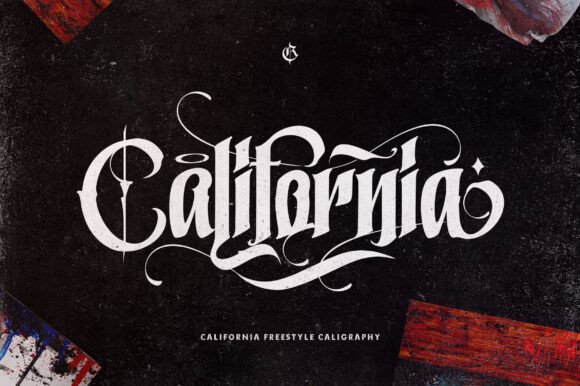
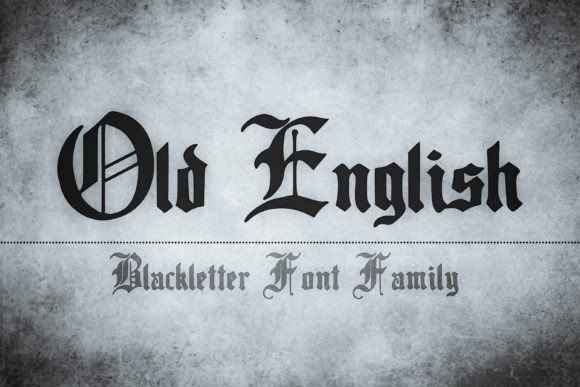
To truly appreciate the aesthetic of the Old English font, one must understand its origins. This style of lettering dates back to the twelfth century and was the dominant script in Western Europe for several centuries. Its defining feature is the broken or angular nature of the strokes. Unlike modern serif or sans-serif fonts, which rely on curves and smooth lines, the Blackletter aesthetic is built upon rigid geometry.
The visual texture of the text is often described as dense. The characters are typically condensed, with thick vertical lines and thin, sharp hairlines that create a high-contrast pattern. This dense texture gives the text a heavy, woven appearance, resembling a tapestry of ink on paper. When you look at a page of text rendered in this style, it presents a unified block of visual information, creating an atmosphere of gravity and importance.
Key Visual Characteristics
- Angular Construction: The round shapes of letters like 'o', 'c', and 'e' are often turned into diamond or polygonal shapes.
- High Contrast: The difference between the thickest and thinnest parts of the letter is dramatic.
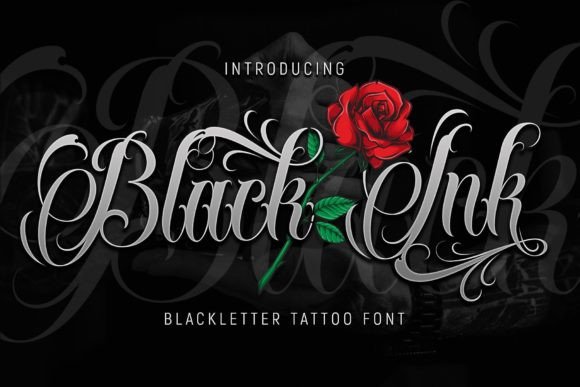
- Decorative Flourishes: While the base structure is rigid, capital letters often feature elaborate swashes and extensions that can interact with the surrounding text.
The Modern Purpose: Why Use an Antique Font Today?
One might wonder why a script developed for handwritten parchment remains relevant in an era of high-resolution screens and vector graphics. The answer lies in the psychology of design. Typography carries emotional weight. When a viewer sees the Old English style, specific associations are triggered immediately. It evokes a sense of history, authority, and solemnity.
For modern users, this font serves as a visual shorthand for tradition. It tells the audience that the subject matter is rooted in the past, or that the brand values longevity and heritage. It is not merely a stylistic choice; it is a semantic one. By choosing this font, you are making a statement about the nature of your content before the reader even processes the words.
Real-World Applications and Scenarios
The versatility of the Old English font allows it to shine in various contexts, from corporate branding to personal creative projects. Its ability to instantly set a mood makes it invaluable for specific use cases.
Branding and Business Identity
Many businesses rely on the concept of "heritage" to build trust. Industries such as craft brewing, high-end tailoring, barbering, and luxury goods often utilize Blackletter fonts in their logos. For example, a craft brewery might use this style to suggest that their recipes are centuries old, or a law firm might use it to imply stability and established precedent. The font acts as a seal of quality, suggesting that the business has deep roots and expertise.
Creative and Thematic Projects
For creators, the applications are even broader. Consider the following scenarios:
- Book Covers: Historical fiction, fantasy novels, and gothic horror stories almost universally use this style for their titles to set the genre immediately.
- Event Stationery: Wedding invitations for formal, black-tie events, or medieval-themed festivals benefit from the elegant, calligraphic nature of the script.
- Digital Media: YouTube thumbnails or podcast covers discussing history, mythology, or true crime often use this font to grab attention with a dramatic flair.
Evaluating Suitability: Strengths and Limitations
While the Old English font is visually striking, it is a specialized tool. Like a fine spice in a culinary dish, it must be used correctly to be effective. It is crucial to evaluate whether this font aligns with the practical requirements of your project.
The Strengths
The primary strength of this typeface is its visual impact. It is impossible to ignore. In a crowded market, a logo or header using this font stands out because it breaks the monotony of modern, minimalist typography. Furthermore, it excels at conveying exclusivity and craftsmanship. If your goal is to make a product feel handmade or historically significant, this is the ideal choice.
The Considerations and Limitations
The most significant limitation of the Old English style is readability. The complex ligatures and angular forms can be difficult for the modern eye to parse, particularly at small sizes or in long paragraphs.
- Body Text: It is generally inadvisable to use this font for the main body of an article or website. The dense texture causes eye fatigue quickly.
- Screen Resolution: On low-resolution screens, the intricate details of the serifs and hairlines can become muddy or pixelated, rendering the text illegible.
- Contextual Mismatch: Using this font for a modern tech startup or a medical facility might confuse the audience, as the historical connotations clash with the subject matter.
Practical Guidance for Implementation
If you have determined that the Old English aesthetic fits your project, the next step is implementation. To maintain professionalism and clarity, adhere to these best practices.
Contrast with Modern Elements
To make the Blackletter text pop, pair it with a clean, modern sans-serif font. The contrast between the ornate, historical title and the clean, functional body text creates a dynamic hierarchy. For instance, using a bold Old English header followed by a light, airy font like Helvetica or Open Sans allows the reader to rest their eyes while maintaining the thematic integrity of the design.
Color and Background
This font style shines in high-contrast environments. Classic combinations include:
- Black on White: Traditional and crisp.
- Gold on Black: Evokes a sense of luxury and premium quality.
- White on Dark Wood Texture: Perfect for rustic or vintage themes.
Avoid placing this font on busy backgrounds with lots of patterns, as the complex letterforms will merge with the background noise, creating visual chaos.
Spacing and Tracking
Because the characters in the Old English font are often condensed and feature intricate edges, they can sometimes feel crowded. When using this font for headlines, consider increasing the tracking (letter spacing) slightly. This allows the decorative elements of each letter to breathe, improving legibility and giving the text a more majestic, airy feel. However, be careful not to space them too widely, as the connected nature of the script is part of its charm.
Conclusion: A Tool for Storytelling
Ultimately, the Old English font is a storytelling device. It is a splendid antique blackletter font that carries the weight of history in every stroke. For general consumers, it offers an aesthetic pleasure that connects them to the past. For professionals and business owners, it provides a way to communicate values of heritage, durability, and prestige without saying a word.
When used with intention—respecting its limitations regarding readability and context—this font transforms a simple piece of text into a work of art. Whether you are designing a logo for a new business, laying out a book cover, or creating a menu for a themed restaurant, embracing this medieval vibe can elevate your project from the ordinary to the extraordinary. By balancing its unique visual texture with modern design principles, you ensure that your message is not only seen but felt.